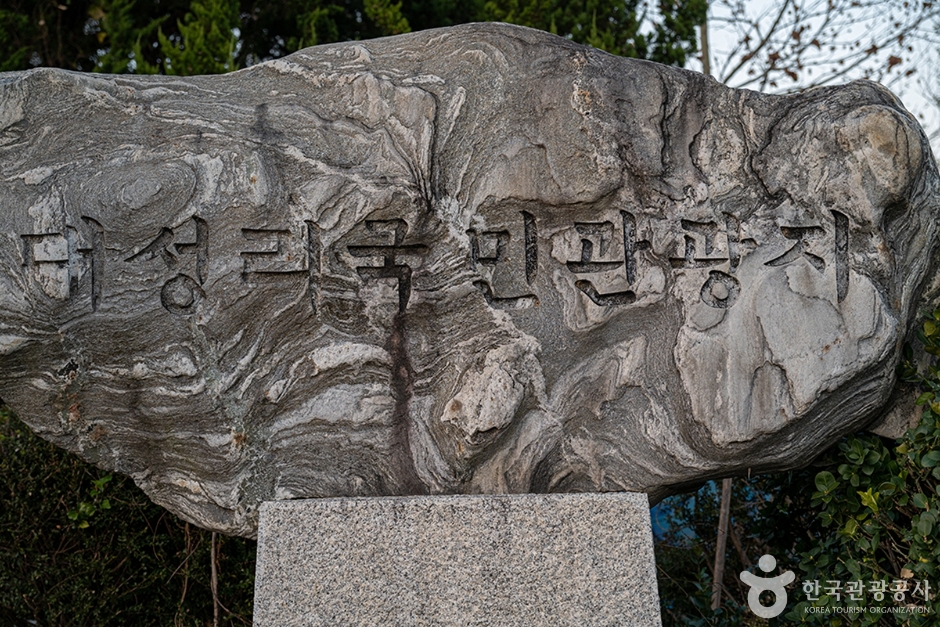
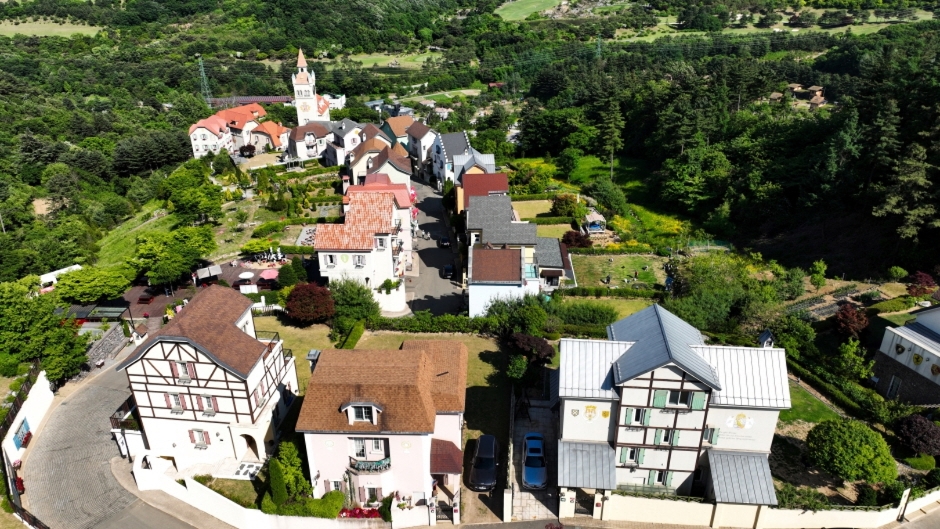
Third time in Korea and beyond — where almost no tourists go
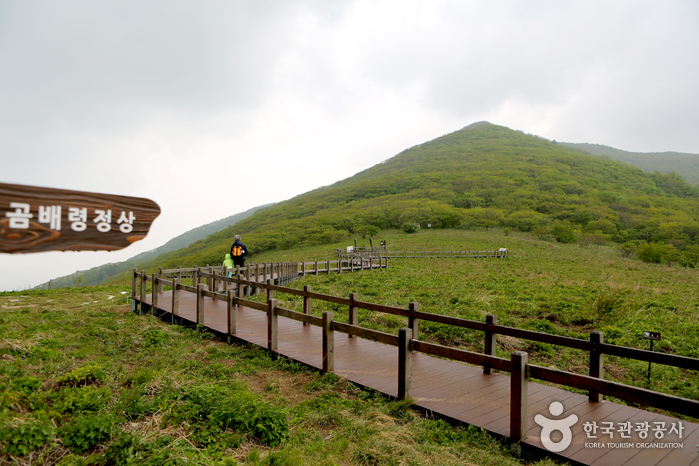
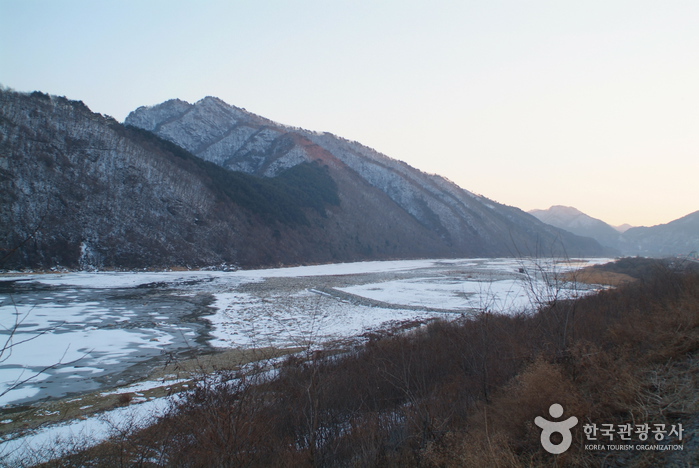
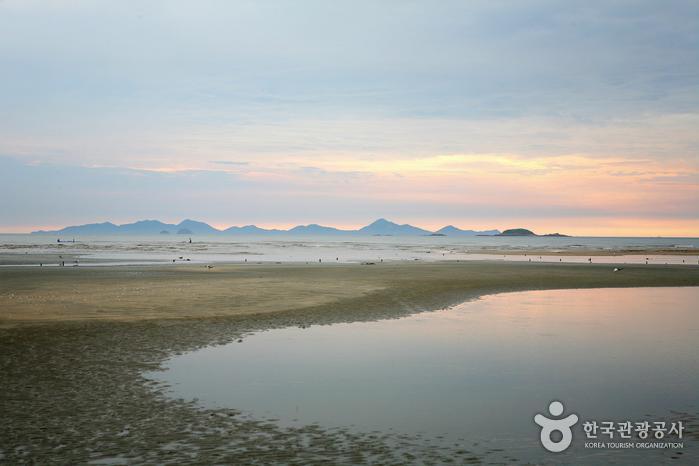
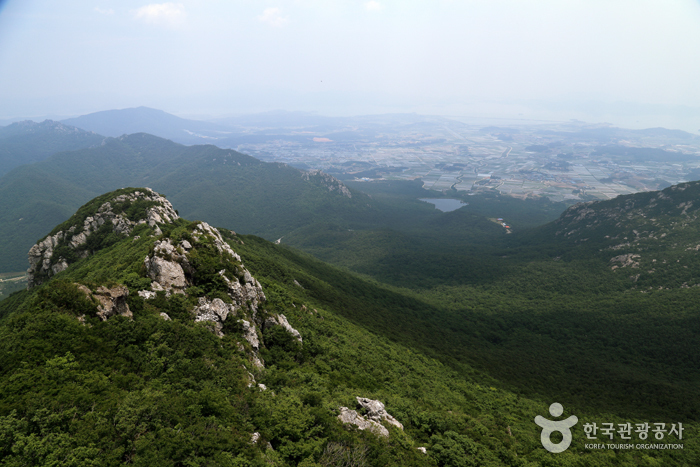
These districts do not appear in the foreign-visitor rankings at all. Koreans go — the peak-season multiplier proves it — but you will rarely hear English. Expect fewer signs in your language, and more of the country as it actually is.
Tell it where you have already been, or what kind of place you like. It answers only from the destinations on this site — it will not invent a place.
What this page does not know
Opening hours, closing days and ticket prices are not in our data. Check before you go.
The ranking mixes four measures: foreign-visitor rank, Korean peak-season multiplier, number of registered attractions, and how often each place is looked up on Wikipedia in your language. No single one of them decides it.
Wikipedia lookups measure how well known a place is — which partly tracks city size, not only tourism. We use it as a threshold, not as the main ranking.
The crowd multiplier describes the district, not any single place inside it.
Foreign-visitor data covers only the top 40 districts. "Not ranked" means "not in that 40" — not zero.
Korean names are shown next to the romanised name on purpose — show your screen to a taxi driver or ticket clerk.
Data: Korea Tourism Organization TourAPI (attractions, festivals, restaurants, cafés, accommodation, accessible sites) · National Walking Trail Standard Data · Korea Tourism Data Lab (visitor counts by district) · Korea Heritage Service (National Treasures, Treasures, Historic Sites) · Wikimedia pageviews (how often each place is looked up).
Taking the trip home
A small Korean brand called kory puts city names on everyday things — hair rollers, hair ties, claw clips, scarves.
We help make kory, so this is not a paid placement — but it is a link we have an interest in. That is why it sits here at the bottom and nowhere else. Product pages and the shop home are in English; a few other pages there are still Korean only.