Where to go in Korea — by how many times you have been
Most "best of Korea" lists are somebody's opinion. This one is built from three numbers: how many foreign visitors each district actually receives, how much busier it gets in peak season with Korean travellers, and how many registered attractions, walking trails and natural sites it has.
These are the districts that receive the most foreign visitors in the country. On a first trip that is exactly what you want: everything is signposted in English, transport is easy, and you will not waste a short trip figuring things out.
You have done Seoul, Busan and Jeju. These are the places Koreans themselves travel to in numbers — but which do not appear in the top ranks for foreign visitors. Familiar enough to be easy, different enough to be worth the trip.
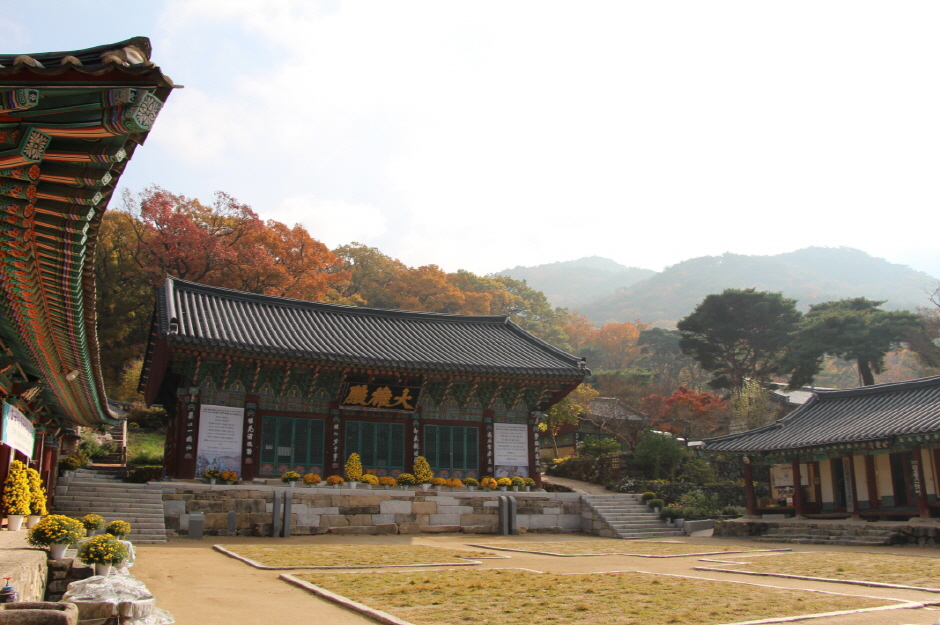
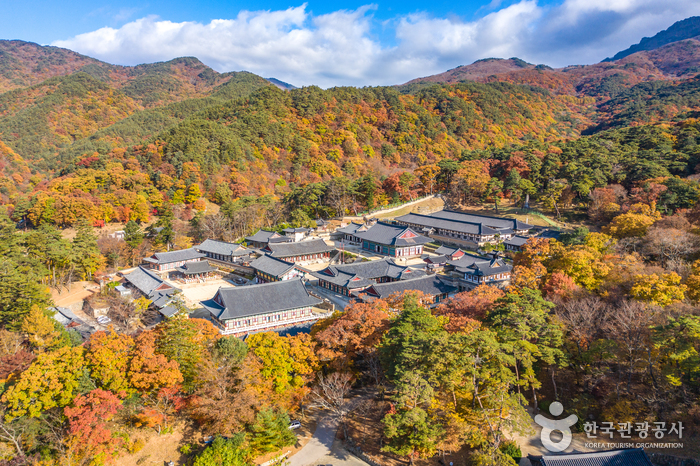
Gyeongju-si 경주시
Gyeongbuk
Not in the top 40 for foreign visitorsIn October, Koreans make it ×1.17 busier than usual
🏛 32 National Treasures105 Treasures85 Historic Sites15 Folk Heritage sites
252 attractions9 mountains & nature1 traditional markets126 wheelchair-accessible sites
Bomun Tourist Complex (경주 보문관광단지)
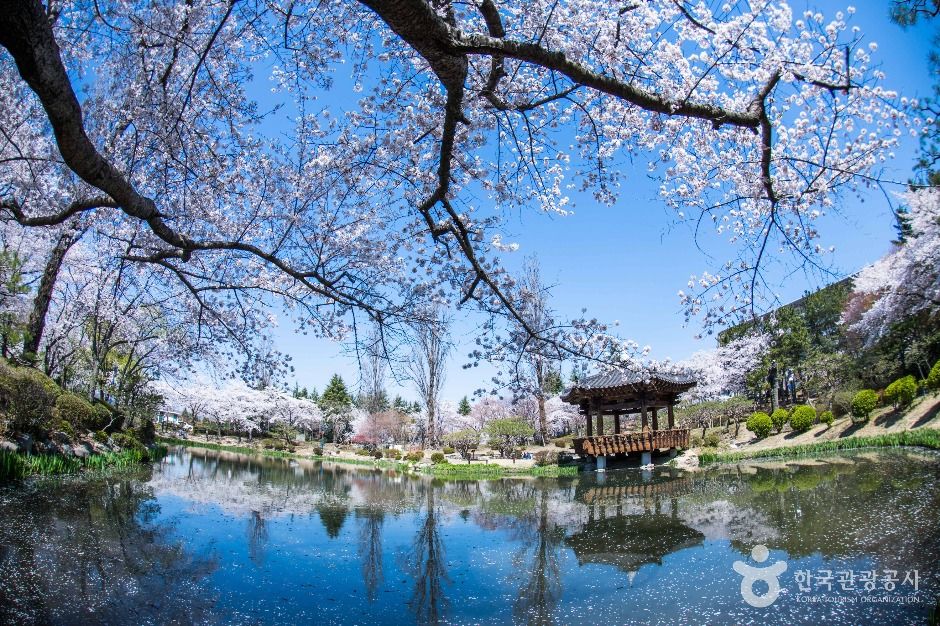
Bomunho Lake (보문호)
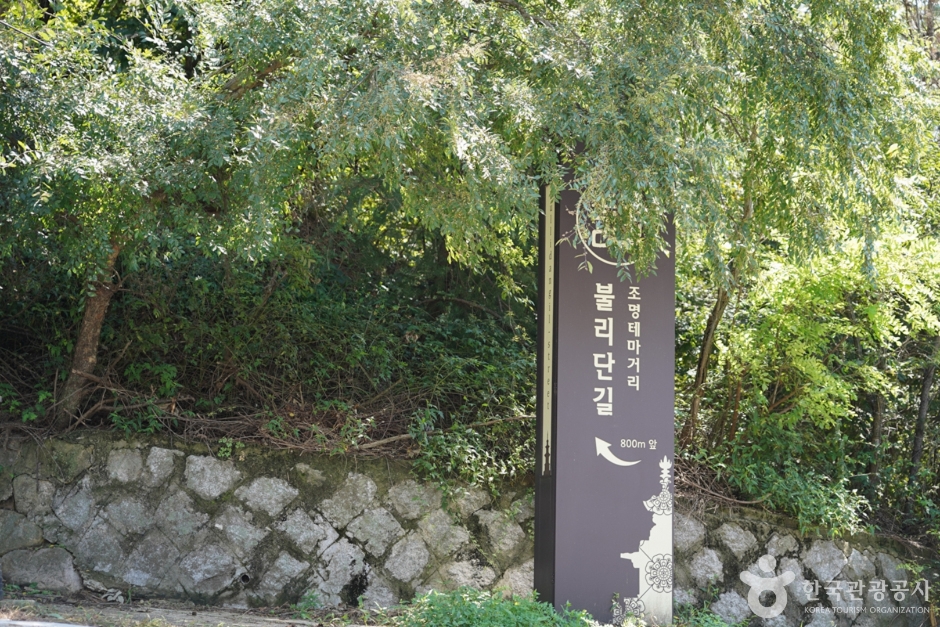
Bullidan Street (불리단길)
Gyeongju Nangsan Irwon경주 낭산 일원
Samneungsup삼릉숲
Gyeongju Bulgukjang경주 불국장
traditional markets
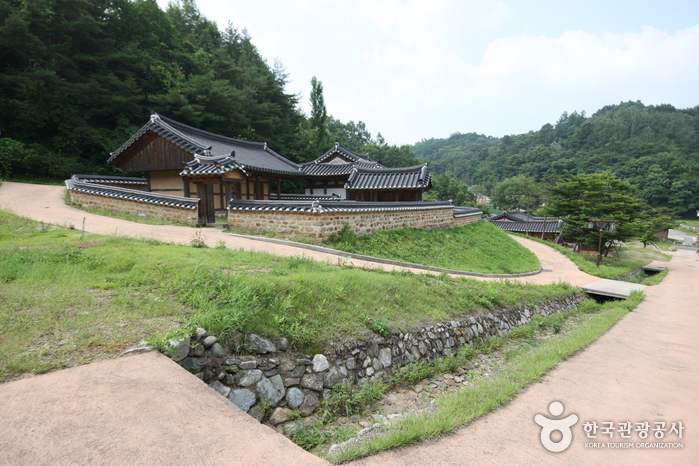
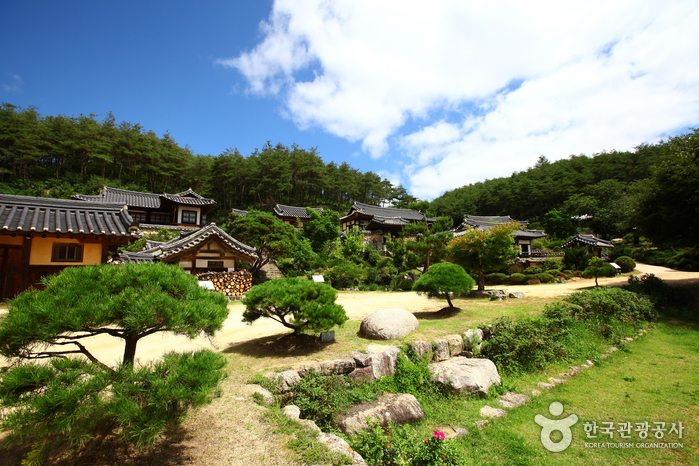
Andong-si 안동시
Gyeongbuk
Not in the top 40 for foreign visitorsIn October, Koreans make it ×1.26 busier than usual
🏛 5 National Treasures54 Treasures3 Historic Sites3 Scenic Sites
Third time in Korea and beyond — where almost no tourists go
These districts do not appear in the foreign-visitor rankings at all. Koreans go — the peak-season multiplier proves it — but you will rarely hear English. Expect fewer signs in your language, and more of the country as it actually is.
Inje-gun 인제군
Gangwon
Not in the top 40 for foreign visitorsIn October, Koreans make it ×1.63 busier than usual
Tell it where you have already been, or what kind of place you like. It answers only from the destinations on this site — it will not invent a place.
What this page does not know
Opening hours, closing days and ticket prices are not in our data. Check before you go.
The ranking mixes four measures: foreign-visitor rank, Korean peak-season multiplier, number of registered attractions, and how often each place is looked up on Wikipedia in your language. No single one of them decides it.
Wikipedia lookups measure how well known a place is — which partly tracks city size, not only tourism. We use it as a threshold, not as the main ranking.
The crowd multiplier describes the district, not any single place inside it.
Foreign-visitor data covers only the top 40 districts. "Not ranked" means "not in that 40" — not zero.
Korean names are shown next to the romanised name on purpose — show your screen to a taxi driver or ticket clerk.
Data: Korea Tourism Organization TourAPI (attractions, festivals, restaurants, cafés, accommodation, accessible sites) · National Walking Trail Standard Data · Korea Tourism Data Lab (visitor counts by district) · Korea Heritage Service (National Treasures, Treasures, Historic Sites) · Wikimedia pageviews (how often each place is looked up).
Taking the trip home
A small Korean brand called kory puts city names on everyday things — hair rollers, hair ties, claw clips, scarves.
We help make kory, so this is not a paid placement — but it is a link we have an interest in. That is why it sits here at the bottom and nowhere else. Product pages and the shop home are in English; a few other pages there are still Korean only.

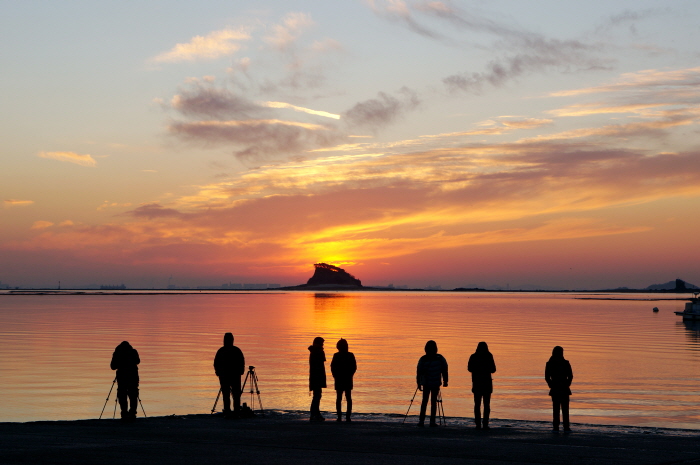










![Andong Hahoe Village [UNESCO World Heritage] (안동 하회마을 [유네스코 세계유산])](https://tong.visitkorea.or.kr/cms/resource/62/4059762_image2_1.jpg)