🏮 Korea's Traditional Markets & 5-Day Markets
26 traditional and five-day markets (오일장) across South Korea, with official info from the Korea Tourism Organization.
What is a "5-day market" (오일장)?
Many of Korea's traditional markets aren't open every day — they open on a five-day cycle. A market listed as opening on "days ending in 2 and 7" is open on the 2nd, 7th, 12th, 17th, 22nd and 27th of each month. These recurring markets are called ojang (오일장).
For visitors who've already seen Myeongdong and Hongdae, a 5-day market is one of the easiest ways to see everyday Korean life. Vendors are local farmers and fishers, prices are local prices, and what's for sale changes with the season.
Before you go
- Bring cash. Larger stalls may accept cards or mobile pay, but small vendors are mostly cash-only.
- Go in the morning. Markets usually start at dawn, peak around midday, and wind down by evening.
- Street food is the highlight. Pancakes (jeon), Korean sausage (sundae) and soup with rice (gukbap) are made fresh and cheaper than in the city.
- Dates follow the solar calendar, not the lunar calendar — "2nd and 7th" means the day-of-month number, every month.
Longer reads: how to work out market days · what to buy at a 5-day market · all travel guides →
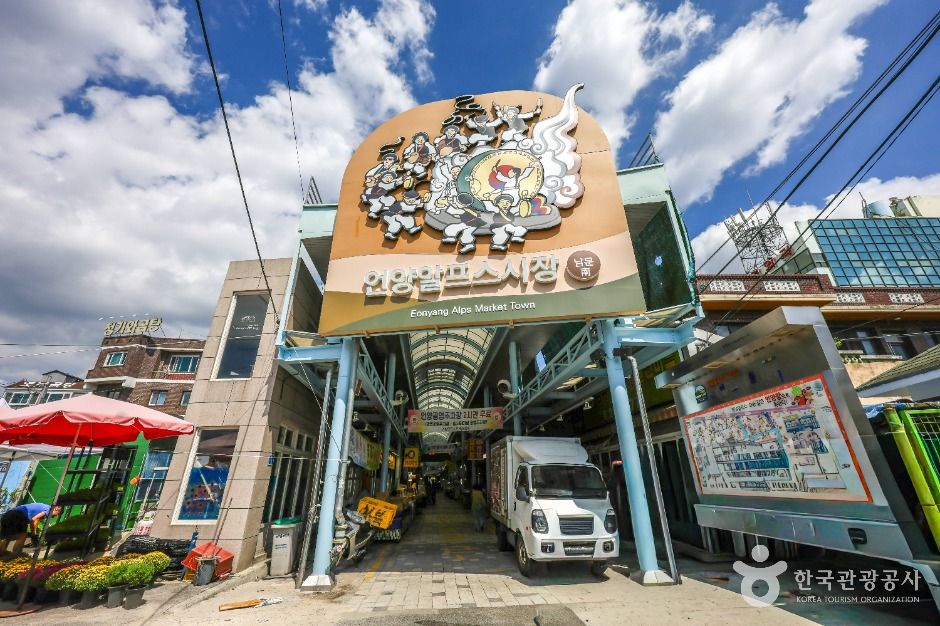
Eonyang Alps Market Town
Eonyang Alps Market Town is a medium-sized market established in 1915, held on days ending in 2 and 7 of each month. In the past, it was called the “Seven Towns…
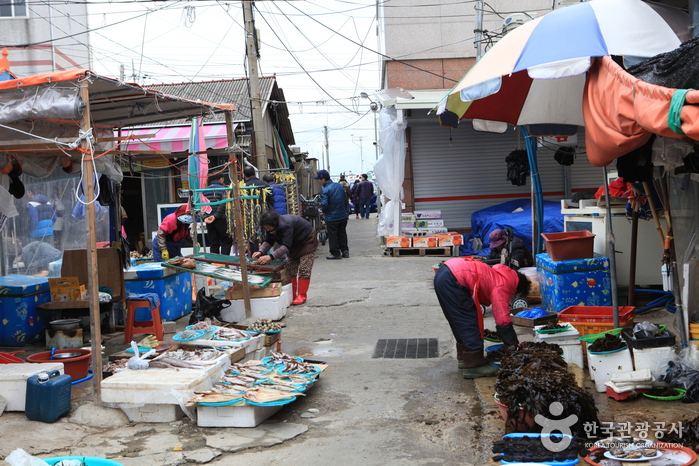
Guryongpo Fifth-Day Market (구룡포장 (3, 8일))
Guryongpo Market area expands all the way to Changjucheon Stream area every fifth-day market day, bustling with crowds of merchants and customers. Guryongpo Fif…
Hallim Traditional 5-Day Market (4th and 9th) (한림민속 5일시장 (4, 9일))
Hallim Traditional 5-Day Market is the largest market in the western part of Jeju (Hallim and Aewol) and is responsible for providing food, clothing, and shelte…
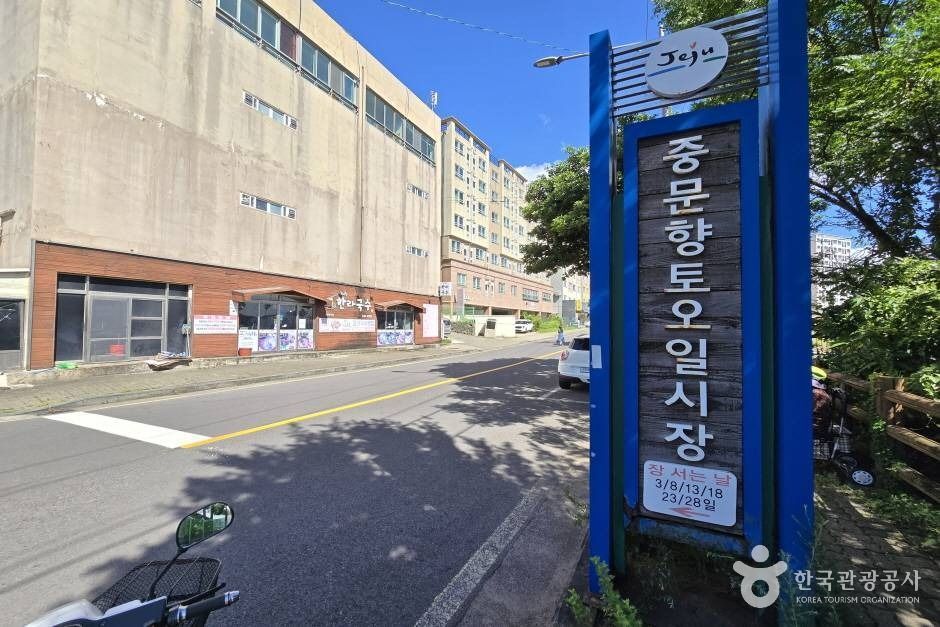
Jungmun 5-day Market
Jungmun 5-day Market, officially opened in 1965, mainly sells locally grown agricultural products and seafood. Held every five days, the market is largely frequ…

Uljin Bajige Market
Bajige Market is located in Uljin-eup, Uljin-gun, Gyeongsangbuk-do. It is the oldest market in Uljin, and its facilities have been going through gradual renovat…

Yongmun Millennium Market (days ending in 5 and 10) (용문천년시장(5,10일))
The Yongmun Millennium Market, one of the three traditional markets of Yanpyeong-gun, opens on dates ending in 5 and 10. Boasting around 200 stalls, this 5-Day …
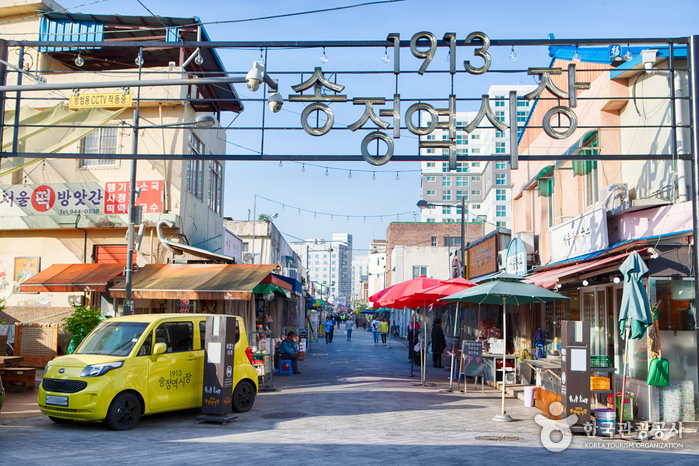
1913 Songjeong Station Market
Songjeong Station Market was opened in 1913 in connection with the opening of Gwangju-Songjeong Station. For many years, the market was the go-to-place for nece…
Daegu Seomun Market & Seomun Night Market
Seomun Market opened in its current location in the 1920s after reclaiming the Cheonhwangdangji Reservoir, but it has a much longer history. In the Joseon dynas…
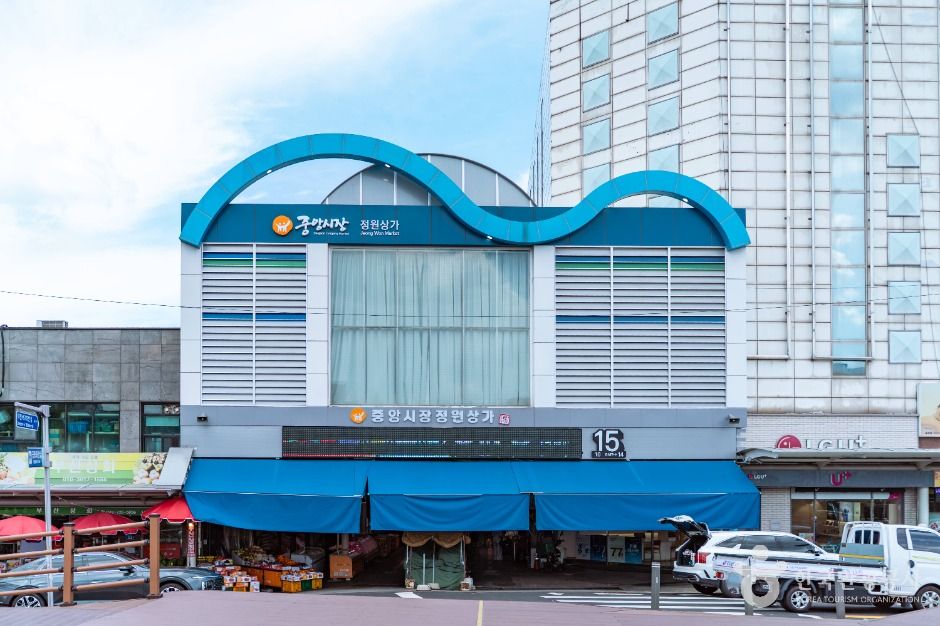
Daejeon Jungang Market
Daejeon Jungang Market is a large comprehensive market consisting of many smaller markets including the Jungang Comprehensive Market, Jungang Arcade Market, Jay…
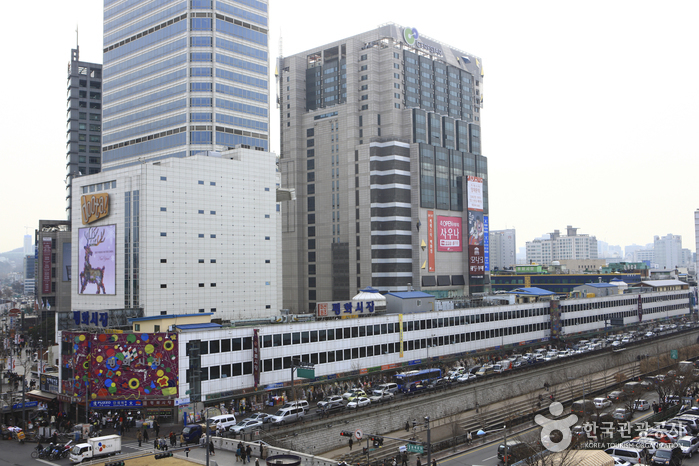
Dongdaemun Shopping Complex·Dongdaemun Shopping Town
Dongdaemun Shopping Complex is one of Korea’s most well-known markets. It was founded in December 1970 as the largest of its kind in Asia and has maintained tha…
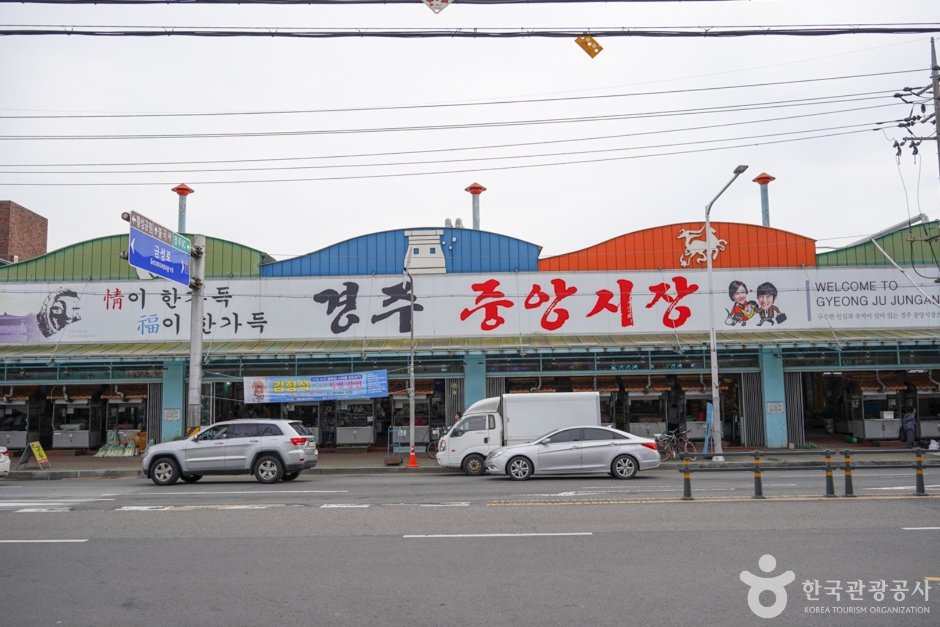
Gyeongju Jungang Market
Opened in 1983, Gyeongju Jungang Market is the main marketplace for Gyeongju locals. Nearly 700 stores selling clothing, oils, rice cakes, vegetables, general g…
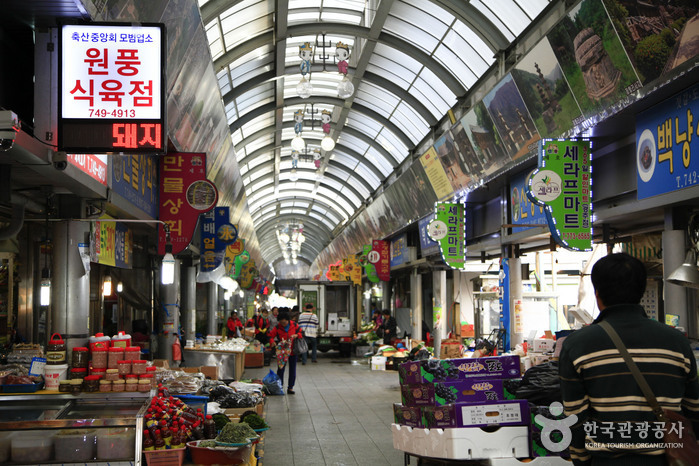
Gyeongju Seongdong Market
Gyeongju Seongdong Market has approximately 300 stores and 30 vendors. The market as found its place as the city’s representative local marketplace since its op…
Gyodongdo Daeryong Market
Daeryong Market is an alley market that reproduces the appearance of Yeonbaek Market to maintain a livelihood for residents who temporarily evacuated from Yeonb…
Hwanghak-dong Flea Market (Dokkaebi Market / Manmul Market) (황학동 벼룩시장 (도깨비시장/만물시장))
Hwanghak-dong Flea Market was named after the way how merchants travel from one place to another all over the country, as if like fleas hopping around from one …
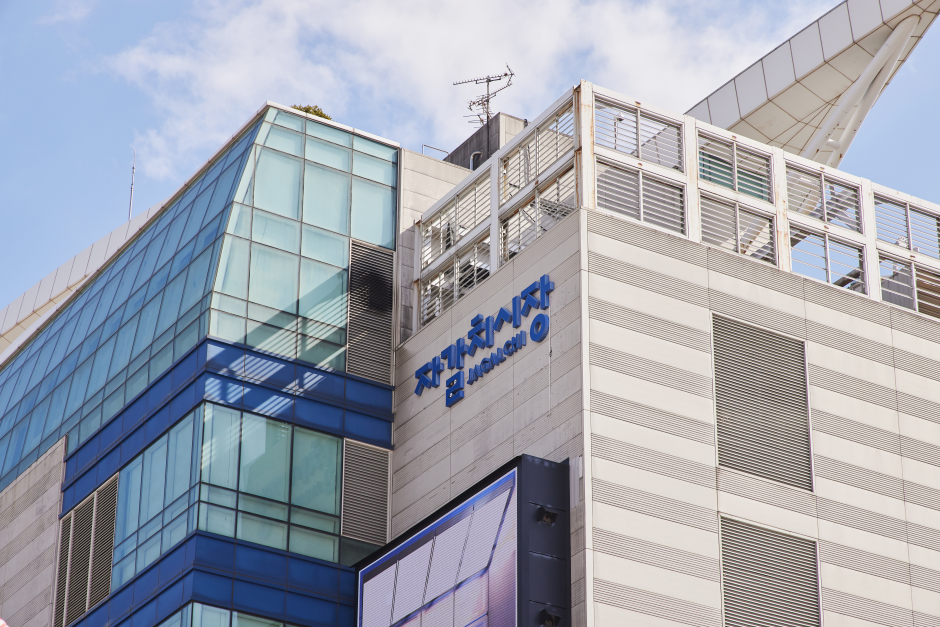
Jagalchi Market
Jagalchi Market, located on the seaside road in Busan's Jung-gu, is one of the largest seafood markets in Korea, selling both live and dried fish. After the Kor…
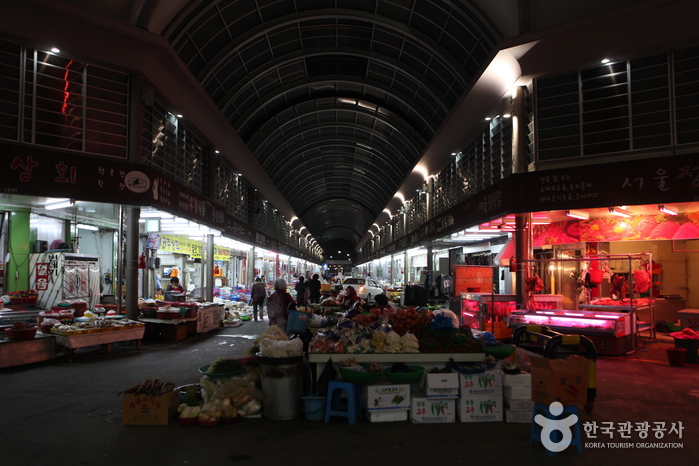
Jeonju New Jungang Market
Jeonju Jungang Market is one of the four major traditional markets in Jeonju. The four major traditional markets in Jeonju constists of Nambu Market, Dongbu Mar…
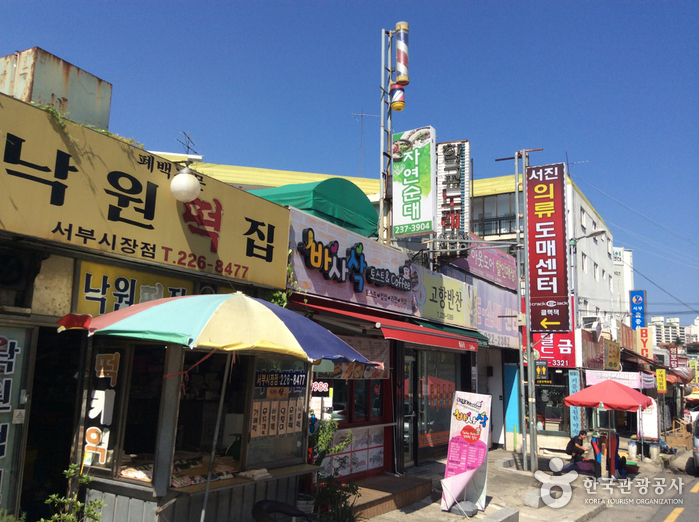
Jeonju Seobu Market
Jeonju Seobu Market is the only market in Jeonju's western area and sells fresh vegetables, fruits and other wholesale products supplied directly from farmlands…
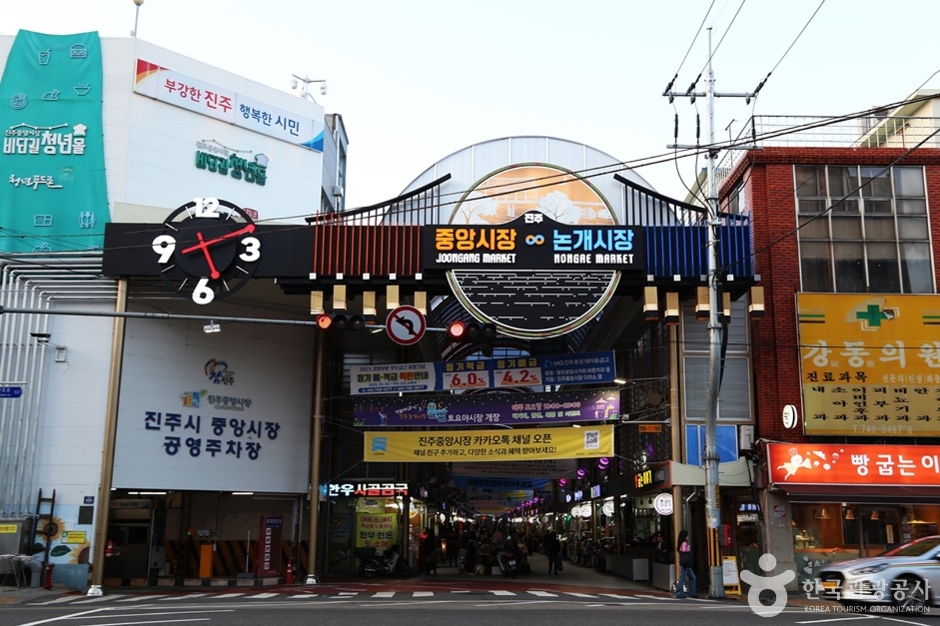
Jinju Jungang Market
Jinju Jungang Market is a long-standing traditional market that traces its origins to the Jinju Sangmusa (now the Chamber of Commerce) established in 1884. Desi…
Maze Art Wonju Jungang Market
Wonju Jungang Market was selected as a cultural tourism market in 2015 and, as a result, a marketplace of culture and art opened on the second floor of Jungang …
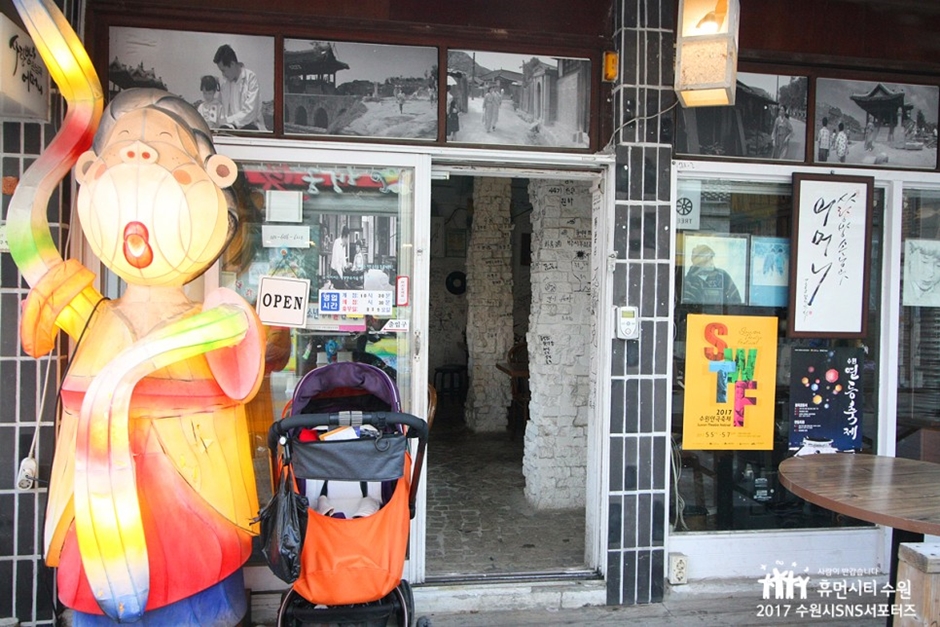
Nammun Rodeo Market
Nammun Rodeo Market is a popular spot among youngsters and couples for its unique cafes and Saturday Market, which bring art and culture together. There is a va…
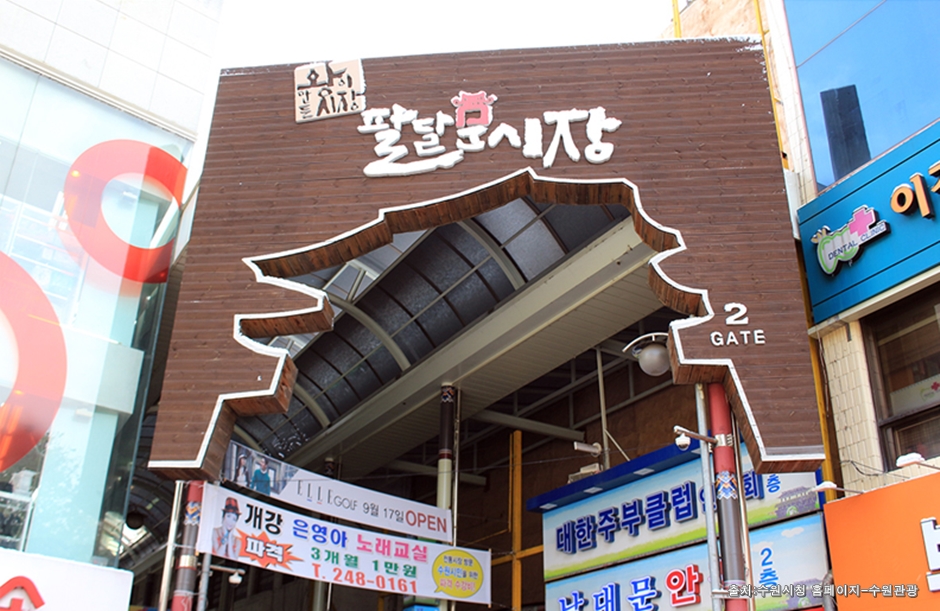
Paldalmun Market
There are 9 traditional markets around Suwon's South Gate. Among them, in Paldalmun Market, there is a whole chicken street that stretches for about 400m, so ma…
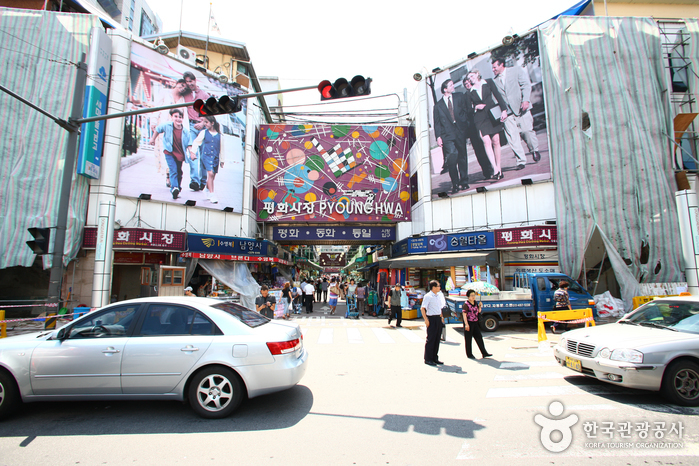
Pyounghwa (Pyeonghwa) Fashion Town
The Pyounghwa Fashion Town market in Dongdaemun has been selling fashion clothing and accessories for over 50 years ever since the end of the Korean War. It was…
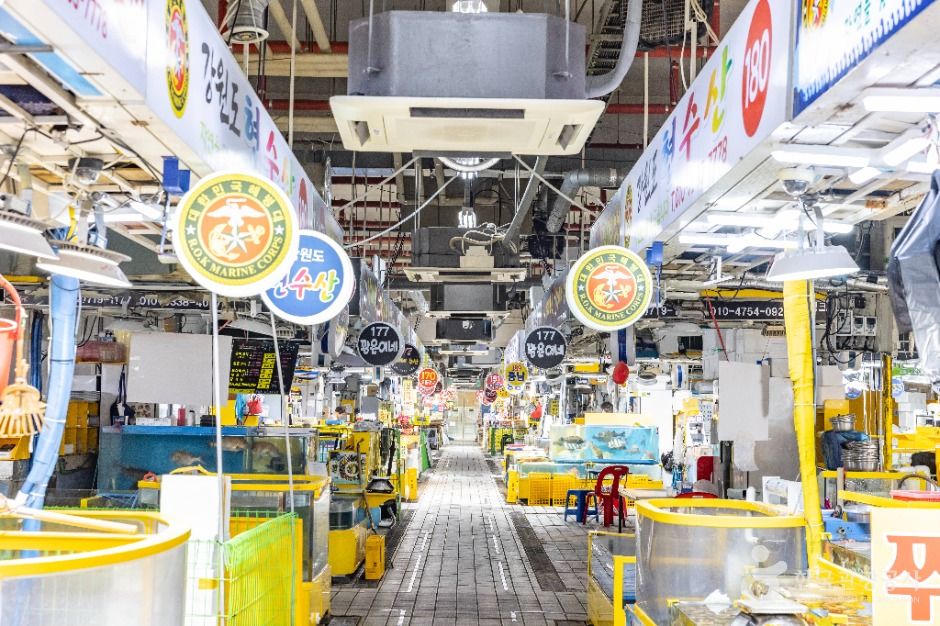
Sorae Fish Market
Sorae Fish Market welcomes visitors all year round with its capability to offer fresh fish. During spring, crab can be bought fresh from the catch, and during k…
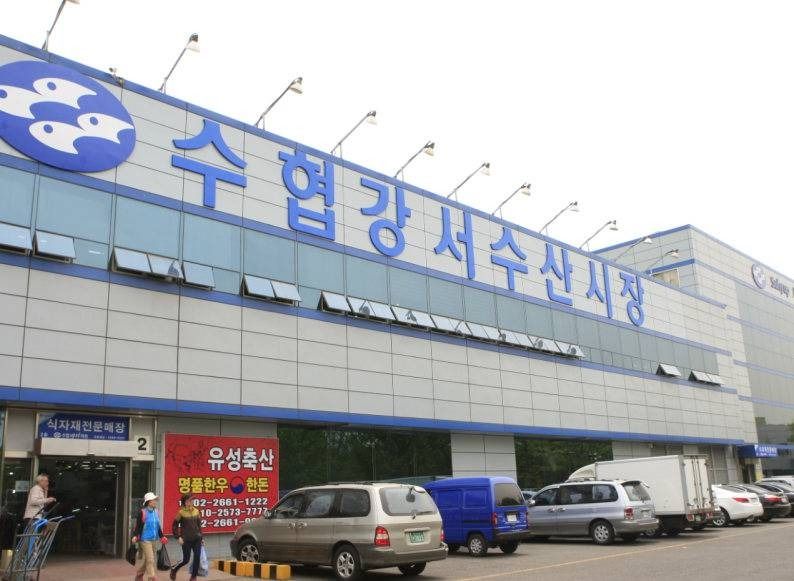
Suhyup Gangseo Seafood Wholesale Market
As Seoul's largest seafood market in the southwestern region, Suhyup Gangseo Seafood Wholesale Market supplies seafood from all over the country at stable price…
Sumokwon Night Market
Sumokwon Theme Park is a multi-purpose theme park-style tourist complex located in the oldest and largest pine tree colony on Jejudo Island. In 2018, "Sumokwon …

Ulsan Keunaegi Night Market
Ulsan Keunaegi Night Market is the first permanent night market in the Ulsan area, featuring a variety of food that appeals to young people, including simple me…
Combine a market day with a festival
If a market's opening day lines up with a nearby festival, you can visit both in one trip. Use Festival Finder to find what's happening on your travel dates.
Source: Korea Tourism Organization (TourAPI, official English content). Market days may shift around public holidays (Lunar New Year, Chuseok) — please confirm locally before visiting.
Taking the trip home
A small Korean brand called kory puts city names on everyday things — hair rollers, hair ties, claw clips, scarves.
We help make kory, so this is not a paid placement — but it is a link we have an interest in. That is why it sits here at the bottom and nowhere else. Product pages and the shop home are in English; a few other pages there are still Korean only.